


| Version : | 1.1.6 | |
| Developer : | HIGAME Studio | |
| Updated : | Oct 17, 2025 |
| Version : | 1.3.9 | |
| Developer : | HIGAME Studio | |
| Updated : | Oct 9, 2025 |
Editor's Review (Referrer)


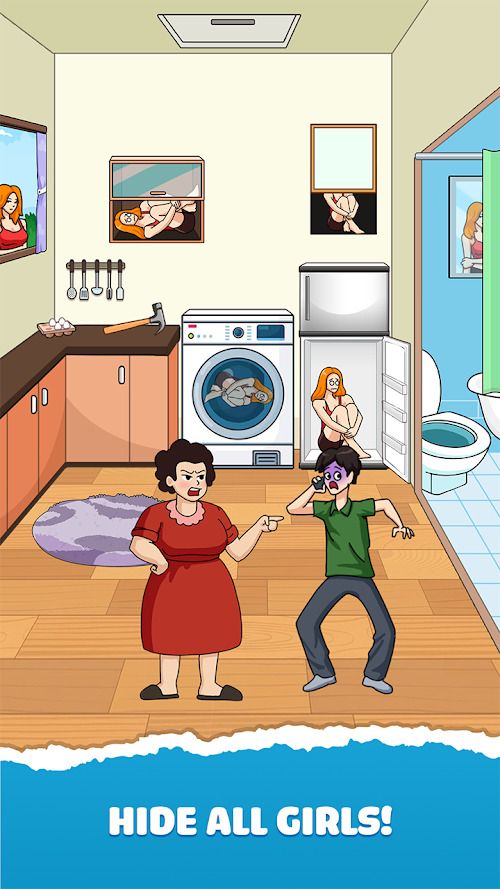
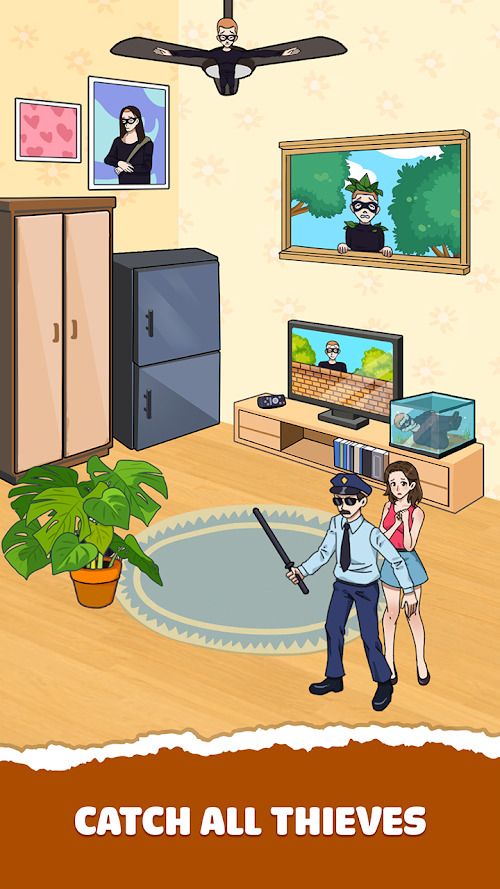
Tricky Prank: Annoying Quest, a puzzle game developed by HIGAME Studio, is excellent for its astute puzzle design and level construction that rely heavily on trickery and surprises. From the very beginning, the game forces gamers to think more imaginatively than logically, so each level of the game is akin to a playful experiment on cause and effect.
Every stage is a static image in which forward movement relies on tapping, dragging, blending objects, or repeating apparently futile actions. A stage may involve misleading a cat into leaping into a cage by making it think there’s a mouse inside a mirror. Another may be dropping a flowerpot at the perfect instant to play a prank on a character below. Even simple props like ropes, balls, or mirrors can all be made into the magic solution. The authority here is blatant: solutions are surprising, and players are consistently invited to attempt unorthodox ideas.
Most of the levels’ design appears to be easy, but secret patterns necessarily demand unconventional thinking. Some of the triggers do not seem related until the exact combination makes sense. The nonsequential revelation is exciting because it encourages testing. On the other hand, the lack of clear indicators sometimes frustrates through trial and error. Players can be stuck, not necessarily because the puzzle is unsolvable, but because the correct action is irrational unless speculated.
One of the key features of the design is its comedic payback. Victory often has it come with quick animations where the presumed outcome becomes a prank punchline. Some stages even incorporate internet memes or slapstick tropes, lending the game that contemporary atmosphere and playfulness. The downside is that not everyone will appreciate meme humor, and reused jokes get old one day.
Overall, as a game and level design experience, Tricky Prank: Annoying Quest is excellent at surprise, originality, and misdirection in a playful fashion. Its positives are unconventional mechanics and comedy, while its negatives are caused by sometimes not giving enough guidance and banking heavily on meme culture. To those who enjoy being tested by humor and curiosity, this sort of style is both refreshing and delightful.
Copyright © GameNaomi - All Rights Reserved

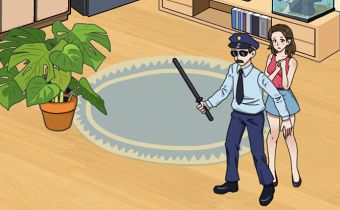

Tricky Prank: Annoying Quest is most dependent on visual presentation and humor to provide a lighthearted mood. Though puzzles form the basis, cartoon-like graphics and slapstick presentation are what bring out the true identity of the game.
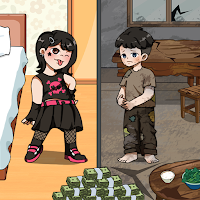
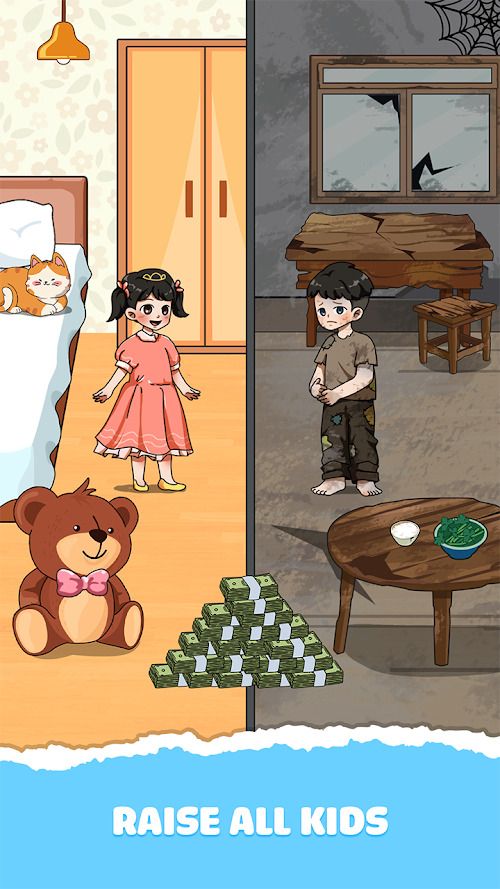
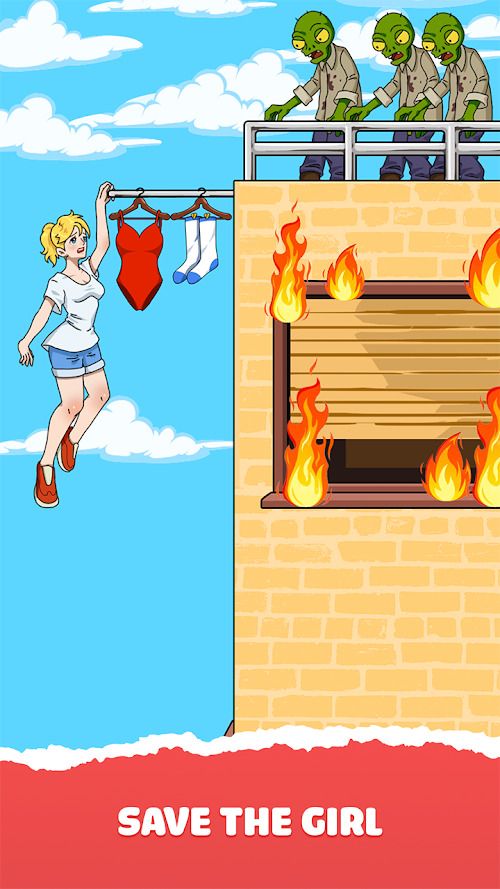
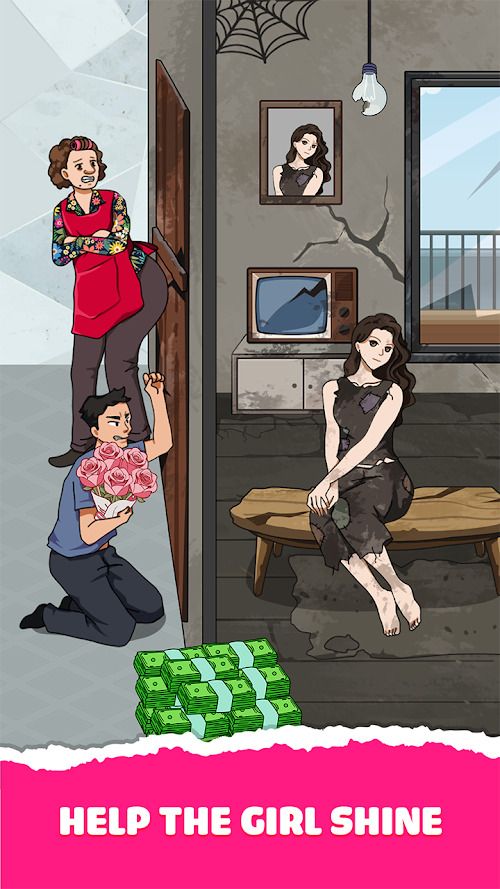
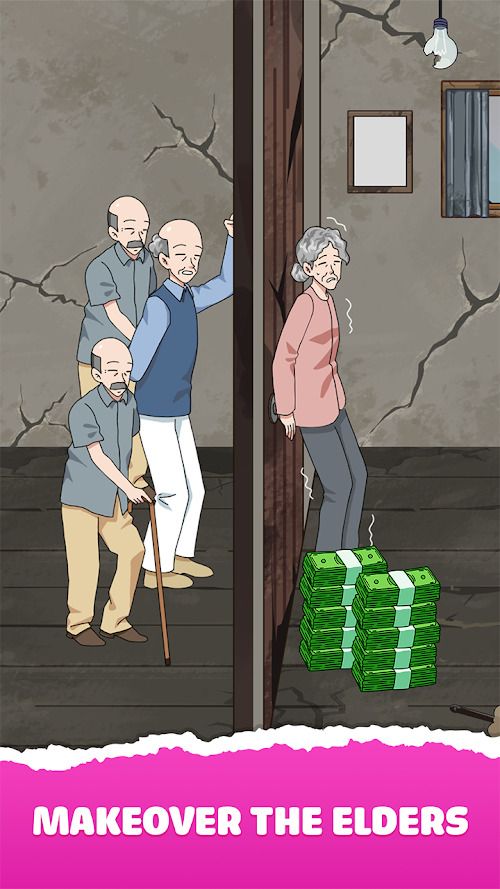
It takes a saturated two-dimensional art with bold lines and over-the-top facial expressions. Smiles stretch in exaggerated fashions when pranks pull off, from bulging eyes to gaping shock. These exaggerated reactions are an undeniable strength, as they translate the consequence immediately without the need for text. The playful animations also cement the “prank” personality and often give even routine solutions a satisfying feel. But the simplicity of the art also has limitations; backgrounds will sometimes recycle across several levels, reducing the sense of surprise as players make their way through.
Character design is caricatured for effect. Victims of pranks are depicted as bewildered targets, returning time and again over different levels dressed in new clothes or settings. The predictability is comforting but dull when the same faces reappear too often. Lack of variety among character models may cause others to desire a wider range of characters to prank.
Presentation is dominated by humor. The game is slapstick and silly: a misplaced bucket can wet a teacher, or a balloon can sweep away a distracted person. Such situations call to mind the comedies of the vintage cartoons, which is an advantage for mass appeal. In contrast, repetition-based humor might not hold long-term interest. When repeated gag structures happen—the same for slipping, falling, or excessive shock—humor can fade for players.
Special effects enhance the humor. A large “pop” when objects blow up or a silly squeak when characters panic contributes to the life of the gags. The payoff is an engaging aspect that goes extremely well with visuals, though the small sound library repeats in obvious ways at times.
Overall, Tricky Prank: Annoying Quest works with its bright colors, cartoon artwork, and slapstick humor. Highlights include exaggerated character responses and traditional laugh-inducing stimuli, but negatives come from limited variety in both backgrounds and gags. To fans of fantasy graphics and cheesy humor, presentation adds to attraction that remains amusing.
Copyright © GameNaomi - All Rights Reserved
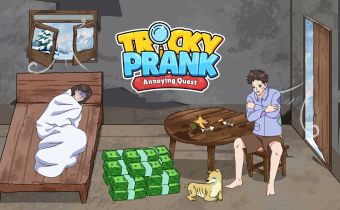

Tricky Prank: Annoying Quest is a seemingly lighthearted puzzle game, but beneath the humor is a carefully crafted design to balance difficulty and accessibility. The challenging structures have certain strengths, but it also results in potential frustrations according to a player’s expectation.
First, the puzzles are tailored to be very easy. Early stages learn the action of tapping, dragging, and manipulating objects in a gradual way, so new players can learn the rules immediately. This soft learning curve is valuable as it prevents the entry barrier from being intimidating. Players can find out the humor-based solution style without being punished for inexperience.
But as the game unfolds, difficulty shifts from complexity to unpredictability. Solutions frequently depend on lateral thinking instead of logic. A door might only open if a banana is put in front of it, for example, or a prank will only fire if the player presses on an unrelated background element. These are the times of joyful surprise that capture the mischief nature, but they can also be unjust when the solution is separated from logic. The result is a love-or-hate situation: some adore the absurdity, whereas others may feel entrapped in cycle-of-trials-and-errors.
Accessibility is two-sided. While levels are short and reset instantly, so there is no penalty for failure. This is risk-free experimentation and encourages inventive play. The other side is that hints are limited and occasionally oblique, leaving players with no crutch if they fail to grasp the underlying sense of logic in the joke. For mass-market consumers, especially younger ones, this lack of direction can create frustration moments.
The escalation of challenge does keep players interested who enjoy challenges building over time. However, by relying so heavily on illogical answers, the game may lose players who like puzzles with internal logic that holds firm throughout. Humor and fairness are a fine line to balance, and not all stages manage to tread it successfully.
Overall, Tricky Prank: Annoying Quest puzzle difficulty style is both inviting and divisive. Its strengths are easy onboarding and minimal failure penalty, while its weaknesses are random answers and limited hint mechanisms. For the players to whom absurd humor added to the challenge will make them laugh, such a style will be funny; for other players, sometimes it will be naughtier than funny.
Copyright © GameNaomi - All Rights Reserved
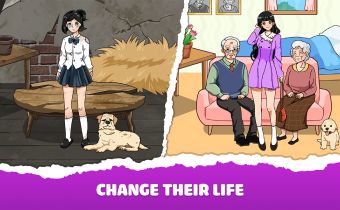

Tricky Prank: Annoying Quest by HIGAME Studio is a burst-speed puzzle game, but its longevity will depend on how much it makes people return. Examining its replay value and long-term playability gives a combination of sharp hooks and seeming limitations.
The most obvious strong point is sheer number of levels. The game frequently offers new situations, so players will rarely be left without pranks to break. Each level is short, usually solved in a minute, so popping in during breaks for a few minutes is no issue. This presentation creates replayability because gamers can fit in a play session at any moment, at the bus stop or during lunch. Simultaneously, brevity might detract from feelings of achievement since solutions are such moments of humor rather than grand victories.
The prank cut-based comedy animations provide yet another reason to play through again. Even once the puzzle is complete, most players play through levels simply to see the farcical prank cuts once more. It is what makes the game toy-like in that pleasure from interaction is equally as valuable as progression. The flaw is that after several plays through observing the punchline, the outcome becomes too repetitive. Without varying outcomes, replaying too soon grows stale.
Long-term engagement is enabled by the continuously increasing difficulty and repetition of characters in the game. Repeated characters in new scenarios give a sense of continuity between levels, similar to reading a humorous mini-series. It creates curiosity to know how each character gets fooled again. Yet, lacking deeper progression mechanics like unlockables, achievements, or branching endings limits how much players can be emotionally involved over weeks of gameplay.
For the hobbyists, replay value of favorite levels and assurance of upcoming levels in patches are enough incentives to revisit. For hardcore puzzle fans, however, the future payoff may not cut it once they get the humor and the mechanics.
Overall, Tricky Prank: Annoying Quest has fleeting replay value with its lush stage library, goofy animations, and back-for-more characters. It has lighthearted convenience and variety and shallow links of weak progression and brief novelty in repeated pranks as strengths and weaknesses. To those who want light entertainment by the smallest doses, the game is charming; to those who want deeper engagement, it can be fleeting.
Copyright © GameNaomi - All Rights Reserved
 iOS
iOS
 Android
 Official App Guaranteed:
What do you think?
Similar Games


















Comments 0